Signs You Need an Emergency Dentist for Persistent Mouth Pain

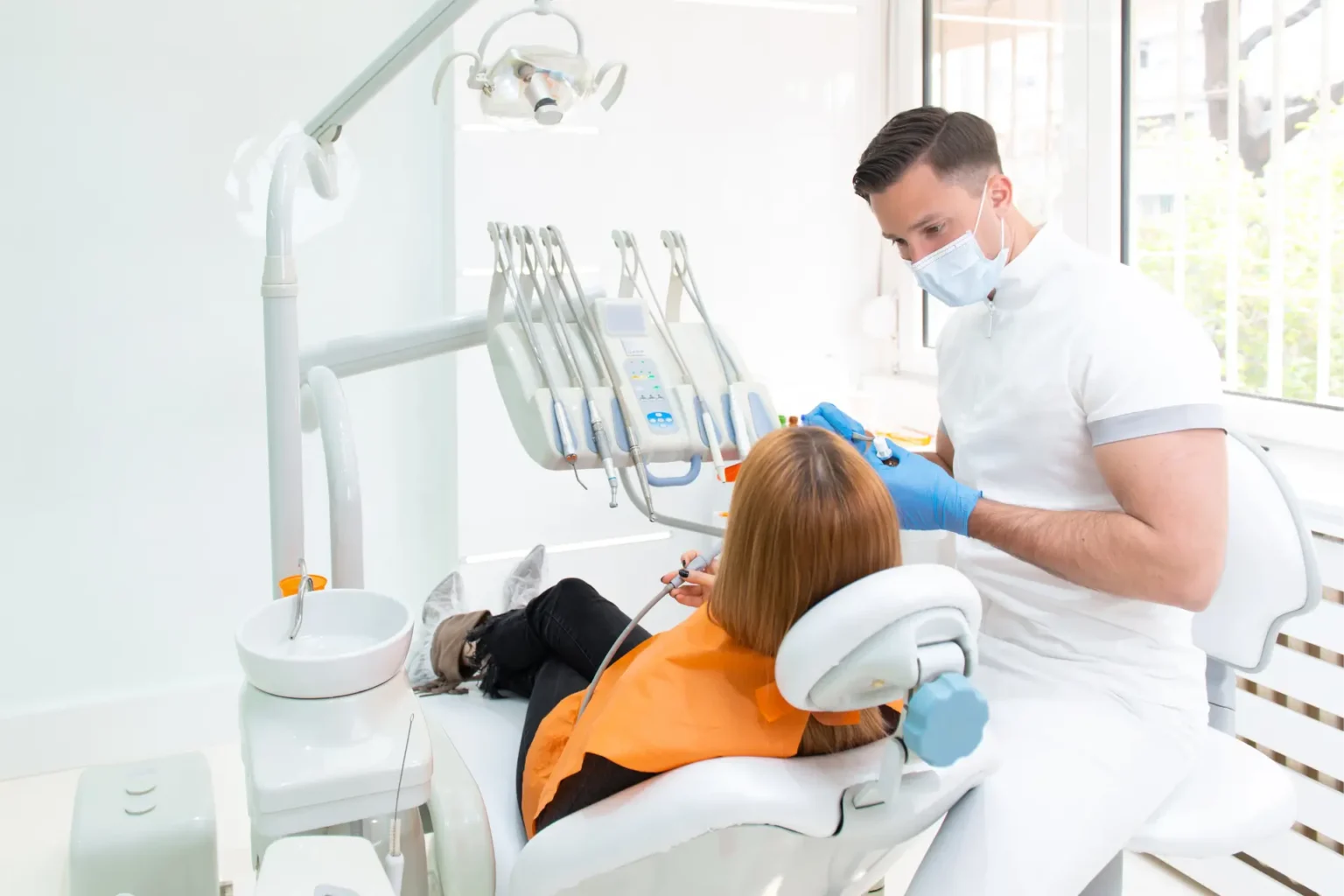
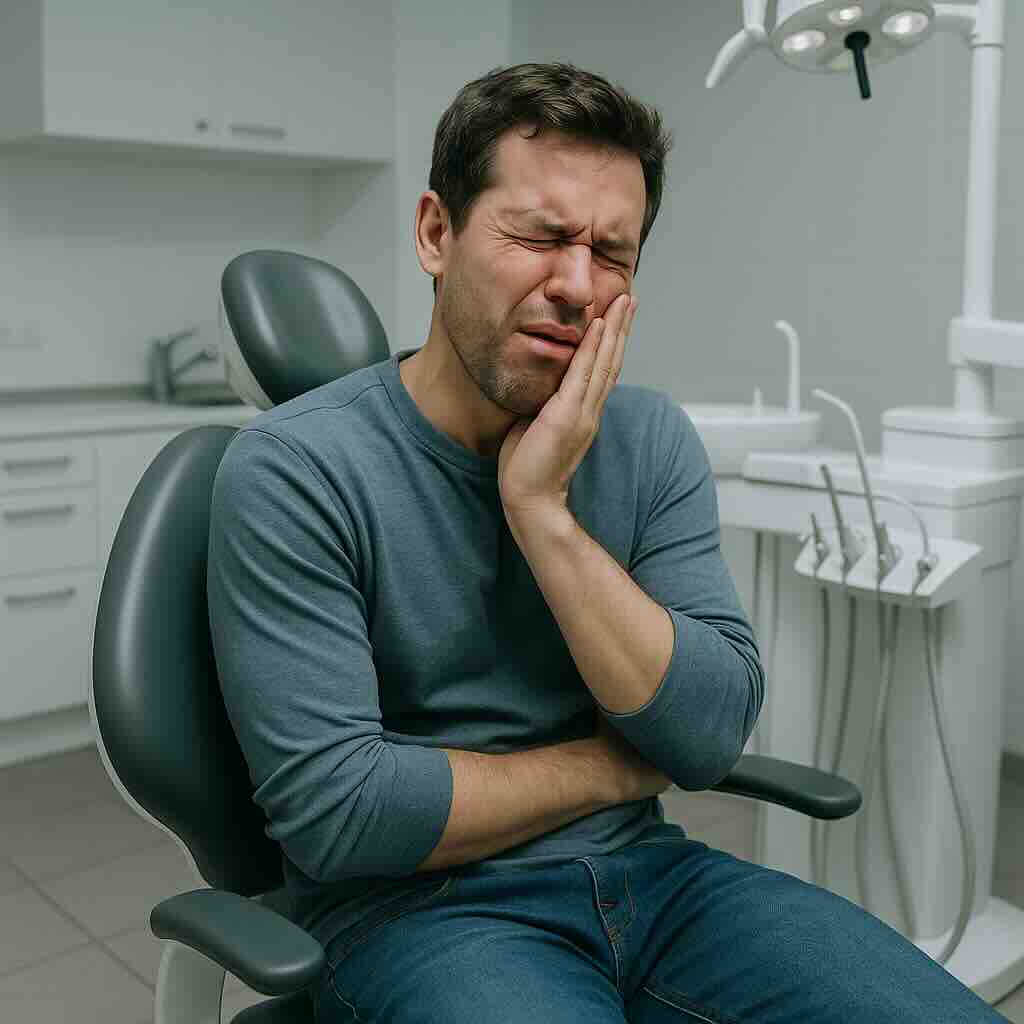
Mouth pain has a way of taking over everything. It interrupts sleep, makes meals miserable, shortens your temper, and turns routine tasks into a test of endurance. People often try to push through it for a day or two, hoping it will fade on its own. Sometimes it does. A small canker sore, mild gum irritation from flossing too aggressively, or temporary sensitivity after a cold drink can settle down without much intervention.
Persistent pain is different. When discomfort keeps returning, grows stronger, or starts to affect chewing, speaking, or swallowing, it deserves closer attention. In practice, the hardest part for many patients is not the pain itself, but knowing when it has crossed the line from inconvenient to urgent. That is where judgment matters. Not every toothache requires same-day care, but some situations absolutely do. Recognizing the difference can spare you a great deal of suffering and, in some cases, prevent a far more serious infection.
Why persistent mouth pain should never be brushed off
Pain is a signal, not a diagnosis. A throbbing tooth might mean deep decay reaching the nerve, a cracked tooth, an abscess, or inflammation from grinding at night. Gum pain might come from food trapped below the gumline, advanced periodontal disease, or a wisdom tooth erupting badly. Jaw pain could even reflect a problem outside the mouth, including sinus pressure or, in rare cases, something more urgent medically.
The reason dentists take persistent oral pain seriously is that the mouth does not isolate problems neatly. An untreated infection in a tooth can spread into surrounding tissues. Swelling in the face or jaw can advance quickly. What begins as “just a toothache” can become a weekend emergency when the pain becomes unbearable or the swelling starts affecting breathing or swallowing.
Many people wait because they do not see obvious damage. There may be no broken tooth, no bleeding, no Emergency Dentist dramatic swelling. Yet deep dental infections often start quietly. In some cases, the pain comes and goes because the nerve is dying, which can fool someone into thinking the tooth is improving. That brief lull can be deceptive.
The kind of pain that often points to urgent care
One of the clearest signs that you may need an Emergency Dentist is pain that does not let up after a day or two, especially if over-the-counter pain relief barely touches it. A mild ache after biting something hard is one thing. Persistent pain that wakes you at night or pulses with your heartbeat is another.
Dentists pay attention to pattern. Sharp pain when biting can suggest a cracked tooth or an infection around the root. Lingering sensitivity to hot or cold, especially if it lasts more than a few seconds, often points to inflammation inside the tooth. Constant pressure or throbbing may indicate an abscess, particularly if the tooth feels slightly raised or tender when you touch it.
A common real-world example is the patient who says, “It only hurts when I chew on that side,” then adds that the pain has been building for a week. That is not usually a wait-and-see situation. A crack, failing filling, or deep cavity can worsen quickly under normal chewing forces.
Swelling changes the urgency immediately
Pain plus swelling deserves prompt attention. Facial swelling, puffiness around the gums, swelling beneath the jaw, or a “pimple” on the gum near a painful tooth can all signal infection. The gum pimple, often called a draining fistula, sometimes relieves pressure temporarily. Patients occasionally think that because the pain lessened after it started draining, the problem solved itself. It did not. The infection found an escape route, but the source remains.
Swelling becomes especially concerning when it spreads visibly across the cheek, under the eye, or into the floor of the mouth. If the area feels warm, tight, or increasingly firm, the situation is moving beyond a routine dental issue. The combination of pain, swelling, and fever raises the stakes further.
An Emergency Dentist can evaluate whether the problem can be managed with drainage, root canal treatment, extraction, medication, or a combination of these. Delay can mean more tissue involvement, more pain, and more complicated treatment.
Fever, bad taste, or foul breath can point to infection
People often expect infection to look dramatic, but the early clues can be subtle. A constant bad taste in the mouth, pus near the gums, foul-smelling breath that does not improve with brushing, or a low-grade fever alongside tooth pain are all meaningful signs. Infection changes the chemistry of the mouth. Patients notice it before they necessarily see it.
A useful rule of thumb is simple: when mouth pain starts to come with whole-body symptoms, the issue is no longer minor. Chills, fatigue, swollen glands, and fever should move you toward urgent evaluation. Dental infections can become systemic, and once that happens, the situation is no longer just about saving a tooth. It becomes about protecting your broader health.
Trouble eating, swallowing, or opening your mouth is a red flag
Dentists worry when pain begins to limit function. If you cannot chew because of sharp pain, that alone may justify urgent care, especially if the issue has persisted for more than a day. More concerning is pain that makes it difficult to swallow, speak clearly, or open your mouth fully. Restricted opening can happen with severe wisdom tooth infections, spreading inflammation, muscle spasm related to infection, or trauma.
Difficulty swallowing can be particularly serious. If pain is accompanied by drooling, a muffled voice, or the sensation that your throat is tightening, this may extend beyond what a standard office appointment should handle. In that setting, same-day emergency dental or medical care is appropriate, and sometimes the emergency room is the safest place to start.
When gum pain is not “just gum irritation”
Persistent mouth pain does not always come from a tooth. Gum tissue can become exquisitely painful from an abscess, advanced gum disease, food or bone fragments lodged under the tissue, or a partially erupted wisdom tooth. The last one is a classic troublemaker. A flap of gum can trap bacteria and debris around the erupting tooth, leading to swelling, bad taste, jaw soreness, and pain that radiates toward the ear.
Gum abscesses often feel different from tooth nerve pain. Patients describe a localized sore spot, pressure, tenderness to touch, and sometimes relief when the area drains. But relief is temporary. The underlying cause, whether periodontal infection or trapped debris, needs treatment.
If the gums bleed easily, feel tender in one area, and the pain keeps returning despite careful brushing, it is worth getting checked promptly. This is especially true if there is swelling between teeth or if one area feels noticeably different from the rest of the mouth.
Broken teeth and lost restorations can become emergencies fast
A cracked tooth does not always announce itself with dramatic trauma. Sometimes it starts with biting into crusty bread or chewing ice. A small fracture can expose sensitive inner layers of the tooth, irritate the nerve, or create a path for bacteria. The pain may come as a stab when you bite down, or when you release pressure. That pattern should not be ignored.
Lost fillings and crowns deserve more respect than they usually get. When a restoration comes off, the tooth underneath may be vulnerable, especially if a large amount of structure was already missing. A lost crown with no pain might survive a short wait. A lost filling followed by persistent sensitivity or throbbing should be seen much sooner.
There is also a practical issue. Teeth can shift surprisingly quickly. Waiting too long after a crown comes off can sometimes make it harder to seat the crown again, even if the tooth itself is salvageable.
Nerve pain that wakes you up is not normal
Night pain matters. Teeth should not wake you from sleep. When they do, the cause is often inflammation deep inside the tooth, where pressure builds and the body cannot “rest it off.” Patients sometimes say the pain is worse when lying down. That detail is common with inflamed or infected teeth because blood flow and tissue pressure can change the way discomfort is perceived.
If you are taking pain relievers around the clock, sleeping upright, or avoiding one side of your mouth for several days, the problem has moved beyond ordinary sensitivity. Those coping strategies may help you survive the night, but they should not replace evaluation.
Persistent pain after dental work can also require urgent review
Not every post-treatment ache is a sign of trouble. It is common to feel tenderness for a few days after a filling adjustment, deep cleaning, extraction, or root canal. The question is whether the pain is trending down or escalating.
Call promptly if discomfort intensifies after the first day or two, if swelling appears, if the bite feels dramatically “high,” or if you develop fever, bad taste, or severe throbbing. A filling that is too tall can trigger significant bite pain. A dry socket after extraction can produce severe radiating pain several days after the procedure. An unfinished or complicated infection can flare despite initial treatment. These are all situations where an Emergency Dentist may need to step in.
People at higher risk should act earlier
Not everyone has the same margin for delay. Some patients should seek help sooner because complications can develop faster or healing can be less predictable.
- People with diabetes, especially if blood sugar is not well controlled
- Anyone with a weakened immune system or taking immunosuppressive medication
- Patients with a history of severe dental infections or facial swelling
- Those undergoing cancer treatment or recovering from major surgery
- Very young children and older adults, who may struggle to describe symptoms clearly
In these groups, a problem that might simmer in someone else can escalate quickly. It is better to overreact a little than to underestimate an infection.
What you can do while waiting to be seen
Home care has a role, but it is supportive, not curative. The goal is to reduce irritation and manage discomfort until you can be evaluated. Gentle warm saltwater rinses can soothe inflamed tissue. Cold compresses on the outside of the cheek may help if there is swelling. Sticking to softer foods and avoiding extreme temperatures often reduces pain.
Do not place aspirin directly on the gums or tooth. People still try this, and it can burn the tissue without treating the cause. Avoid chewing on the painful side. If a crown has come off, keep it if possible and bring it with you. If a tooth is broken and has a sharp edge, dental wax from a pharmacy may protect the cheek or tongue temporarily.
These steps are reasonable while arranging care:
- Call the dental office and describe the pain clearly, including swelling, fever, and how long it has lasted
- Use over-the-counter pain medication only as directed on the label or as advised by your clinician
- Rinse gently with warm saltwater, especially if the gums feel inflamed
- Avoid very hot, very cold, hard, or sugary foods that trigger the area
- Seek immediate medical help if breathing or swallowing becomes difficult
That last point is crucial. Severe swelling, trouble breathing, or trouble swallowing can move beyond dental urgency into a medical emergency.
How dentists decide whether pain is truly an emergency
From the patient side, it can feel hard to tell what qualifies as urgent. Clinically, the judgment is usually based on a few practical questions. Is there infection? Is it spreading? Is the pain severe and persistent? Is function impaired? Is there trauma, uncontrolled bleeding, or risk of losing the tooth if treatment is delayed?
An Emergency Dentist is not only there for dramatic accidents. The role often involves triage. Sometimes the immediate goal is to get you out of pain and stop disease progression, even if the final treatment comes later. That may mean draining an abscess, adjusting a bite, placing a temporary restoration, prescribing medication when appropriate, or stabilizing a damaged tooth.
It is worth noting that antibiotics are not a cure for most dental pain by themselves. If the source is a dying nerve, deep decay, or a pocket of infection inside a tooth, the tooth usually still needs definitive treatment. Antibiotics can be important when there is swelling, fever, or spreading infection, but they are not a substitute for addressing the cause.
Situations that patients commonly underestimate
Some patterns tend to be dismissed more often than they should. One is intermittent pain. Because it comes and goes, patients assume it cannot be serious. In reality, some of the most significant tooth problems behave this way early on. Another is pain without visible swelling. Not all infections create obvious external changes at first.
Pain in the lower jaw that radiates to the ear is another commonly misunderstood symptom. Patients often suspect an ear infection when the source is a molar or wisdom tooth. Conversely, upper back tooth pain can sometimes be sinus-related, which is why a professional exam matters. The mouth and nearby structures share nerves, and referred pain is common.
A third underestimated situation is a cracked tooth with only occasional symptoms. Cracks can be maddeningly inconsistent. One bite hurts, the next seems fine. Then the pain intensifies suddenly, usually after the crack deepens or bacteria reach the pulp. Early intervention often offers more options than waiting until the tooth splits further.
Children and mouth pain require a lower threshold for action
Children do not always localize pain accurately. A child with a swollen cheek, fever, trouble eating, or waking at night from dental pain should be seen promptly. Baby teeth matter. Infections around primary teeth can still spread, disrupt normal eating, and affect developing permanent teeth underneath.
Another challenge is that children can deteriorate quickly once pain limits drinking or eating. Dehydration and exhaustion can set in faster than parents expect. If a child is lethargic, refusing fluids, or showing facial swelling, urgent care is the safer path.
A note on wisdom teeth, ulcers, and jaw pain
Wisdom teeth are frequent culprits, but not every painful wisdom tooth is an emergency. Mild soreness during eruption can be monitored. Pain becomes urgent when there is swelling, bad taste, difficulty opening the mouth, or pain that keeps worsening over several days.
Mouth ulcers usually heal within one to two weeks. If a sore is unusually large, Emergency Dentist keeps returning in the same spot, or remains painful and unhealed beyond that window, it should be examined. Persistent mouth pain is not always a tooth problem, and any lesion that lingers deserves professional attention.
Jaw pain has its own gray areas. Clenching and temporomandibular joint issues can create significant discomfort without infection. But if jaw pain comes with swelling, fever, recent dental pain, or sudden inability to open the mouth, an urgent dental evaluation makes sense.
When waiting until “next week” can cost you more
The practical cost of delay is not just more pain. A small cavity that irritates a nerve can progress to a root canal or extraction if ignored. A localized gum infection can spread. A crack that might have been restorable can become a split tooth. From a financial standpoint, early care is often simpler and less expensive. From a health standpoint, it is almost always easier on the patient.
Most people do not need to panic every time their mouth hurts. They do, however, need to respect persistent pain. The pattern matters more than the drama. If the pain is lasting, intensifying, paired with swelling or fever, or affecting normal function, it has already given you enough information to act.
The safest approach is straightforward: if mouth pain has become persistent rather than occasional, and especially if it is accompanied by swelling, fever, bad taste, broken teeth, difficulty chewing, or trouble sleeping, contact an Emergency Dentist. Those are not vague warning signs. They are the mouth’s version of an alarm system, and it is usually wise to listen before the problem gets louder.
Vitality Dental
1220 Coit Rd # 106, Plano, TX 75075, United States
+1 972-645-4100
FAQ About Emergency Dentist
What counts as a dental emergency?
A knocked-out tooth, significant mouth injury, severe tooth pain, or painful swelling warrants prompt evaluation. Call your dentist and describe your symptoms so the office can advise you on how urgently you need care.
What should I do if I knock out a permanent tooth?
Call a dentist immediately. Handle the tooth by the crown, avoid touching the root, and keep it moist. If you cannot put it back into the socket easily, transport it in milk or a tooth-preservation solution. Bring it with you to the appointment.
Should I go to the emergency room for a dental emergency?
Seek emergency medical care right away if you have trouble breathing or swallowing, uncontrolled bleeding, or a serious facial injury. For an isolated tooth injury or toothache without those symptoms, call a dentist promptly for guidance.