How an Emergency Dentist in Plano, TX Can Relieve Jaw Pain Fast
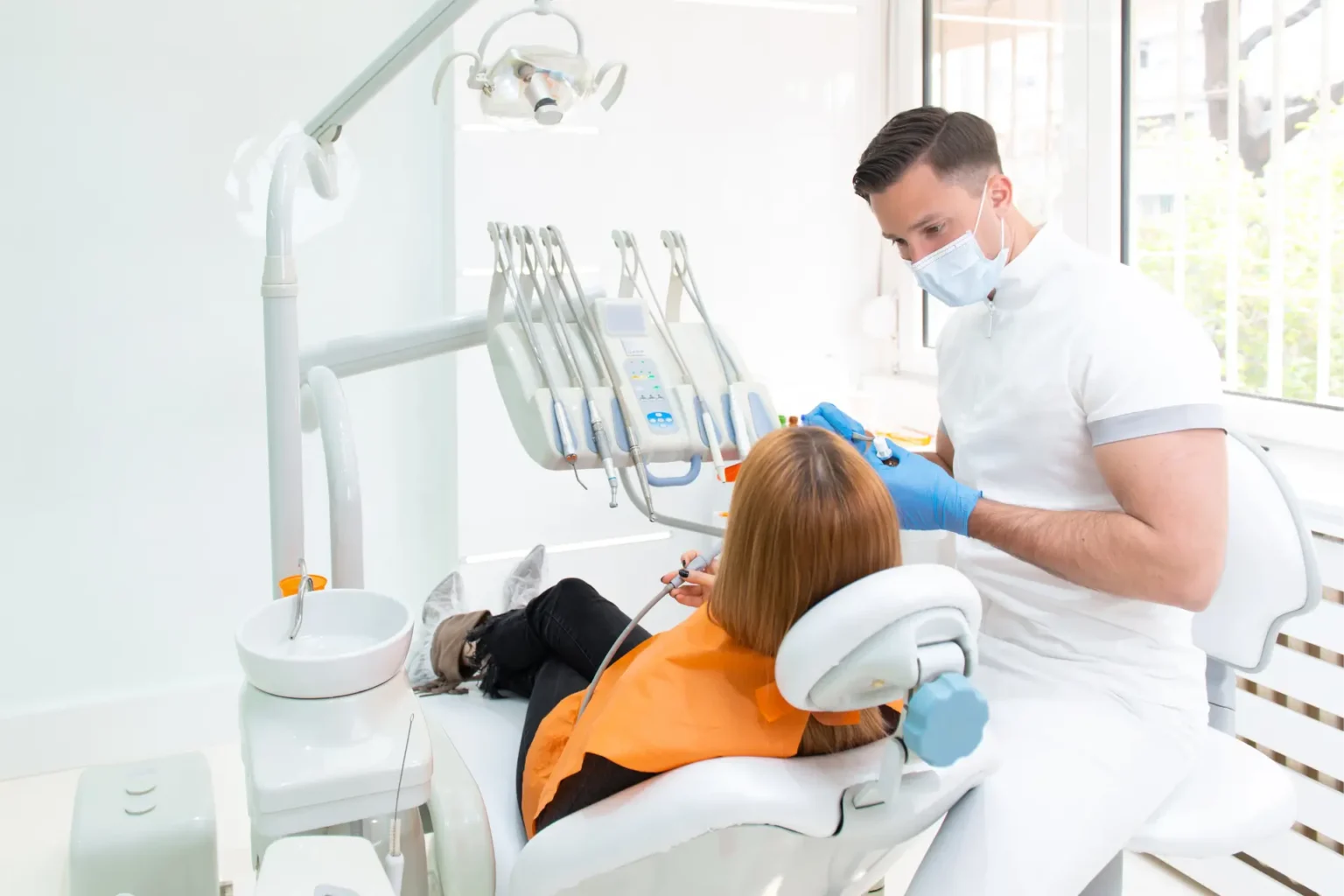

Jaw pain has a way of taking over everything. It can make it hard to eat, hard to sleep, and hard to focus on anything beyond the next throb, stab, or ache. Some people feel it near the joint in front of the ear. Others notice pressure in the back molars, a tight pull along the cheek, or pain that radiates into the temple and neck. The tricky part is that jaw pain is a symptom, not a diagnosis. It can come from a dental infection, a cracked tooth, a bite problem, clenching, trauma, an erupting wisdom tooth, or inflammation around the jaw joint itself.
When the pain is sudden or severe, waiting a week for a routine visit is rarely the right move. An emergency dentist in Plano, TX can often narrow down the cause quickly, control the pain, and prevent the problem from getting worse. In many cases, relief starts the same day, not because every issue can be permanently fixed in one visit, but because the source of the pain can be identified and stabilized fast.
Why jaw pain should not be brushed off
A sore jaw after chewing a bagel or grinding your teeth during a stressful week may improve with rest. But sharp pain, swelling, trouble opening your mouth, or pain that wakes you up at night deserves attention. Dental pain tends to escalate. A small crack becomes a deep fracture. Gum irritation around a wisdom tooth turns into a pocket of infection. A cavity that only reacts to cold can inflame the nerve and create constant pressure.
One of the more frustrating realities in practice is how often people misread jaw pain. They assume it is sinus pressure, an ear issue, or a muscle Emergency dentist Plano, TX strain. Sometimes they are right. Just as often, the real source is a tooth in distress. The nerves in the face overlap in ways that can make one problem feel like another. A lower molar can create pain that seems to sit in the ear. An upper tooth infection can mimic sinus pain. A jaw joint problem can be mistaken for a toothache.
That overlap is exactly why an emergency dental exam matters. Fast relief depends on finding the right cause, not guessing.
What an emergency dentist looks for first
When a patient comes in with jaw pain, the first job is triage. Is this a dental emergency, a joint issue, a trauma case, or something that needs medical evaluation beyond the dental office? The history tells you a lot. Did the pain start after biting something hard? Is there swelling? Does the jaw click or lock? Is the pain triggered by hot drinks, chewing, or waking up in the morning?
A focused exam usually follows. The dentist checks the teeth, gums, bite, jaw muscles, and the temporomandibular joints. They may tap on certain teeth, test for sensitivity, and take X rays to look for infection, hidden decay, root damage, impacted teeth, or bone changes. If opening is limited, that detail matters. If one side is swollen, that matters even more.
This process is not just diagnostic. It often brings immediate clues about how to reduce pain the same day. If the bite is off because a filling is high or a crown is hitting early, a simple adjustment may provide near instant relief. If an abscess is building pressure, draining the area or starting infection control can dramatically reduce pain. If the issue is a cracked tooth, temporary stabilization can calm the inflamed nerve and stop the sharp pain from chewing.
The most common dental causes of sudden jaw pain
An emergency dentist in Plano, TX sees a fairly consistent group of problems behind acute jaw pain. The details vary, but the patterns are familiar.
A tooth infection is one of the biggest culprits. Pressure builds at the root or in the surrounding tissues, creating a deep, pounding ache that can spread into the jawbone and face. Patients often describe it as impossible to ignore. The tooth may feel taller than the others, tender to bite on, or sensitive to heat.
A cracked tooth can create pain that feels electric or sharp, especially when chewing. Many people cannot point to the exact tooth because the pain comes and goes. A crack does not always show clearly at first glance, which is why a careful exam matters.
Problems with wisdom teeth are another frequent source. If a partially erupted wisdom tooth traps bacteria under the gum flap, the tissue can become inflamed or infected. That can make the jaw feel sore, tight, and difficult to open. It may even hurt to swallow.
Clenching and grinding can also trigger significant pain, especially if the jaw muscles are overworked overnight. In those cases, patients often wake up with aching cheeks, temple headaches, or teeth that feel sore all over rather than in one spot. This is common during periods of stress, but it can also be tied to sleep issues or bite imbalance.
Temporomandibular joint irritation sits in a category of its own. The pain may be near the ear, worse with chewing, or accompanied by clicking, popping, or locking. Some TMJ cases are primarily muscular. Others involve inflammation inside the joint. A dental office will not treat every joint disorder in a single visit, but it can usually determine whether the pain is dental, muscular, joint related, or some combination.
How same day care actually relieves pain
People sometimes assume emergency dental visits are mostly about prescriptions. In reality, meaningful relief usually comes from reducing the cause of the pain, not just dulling it.
If infection is present, treatment may involve opening the tooth to relieve pressure, draining an abscess, cleaning the area, or starting appropriate antibiotics when indicated. Antibiotics alone are not a magic fix for dental pain, but when there is spreading infection or visible swelling, they may be part of the plan.
If a tooth is cracked or fractured, the dentist may smooth a sharp edge, place a temporary protective restoration, adjust the bite, or recommend a root canal or extraction if the damage is deeper. Even a temporary measure can reduce the pain dramatically by keeping pressure off the injured area.
When inflamed gum tissue around a wisdom tooth is the culprit, cleaning beneath the tissue flap and reducing trapped debris can help quickly. Patients are often surprised how much relief comes from removing the source of irritation.
For muscle or joint driven jaw pain, immediate care may focus on decreasing inflammation, reducing strain, and protecting the teeth and joint from further overload. That might mean a bite adjustment in select cases, home care instructions, medications when appropriate, or planning a night guard after the acute pain settles.
Relief can happen fast, but the route depends on the diagnosis. That is why a good emergency visit is specific. It should answer two questions clearly: what is causing the pain, and what can be done right now to bring it down safely?
Signs your jaw pain needs urgent evaluation
Some cases can wait until the next available dental opening. Others should be treated urgently, the same day if possible. The difference matters because infection and swelling in the mouth can progress quickly.
Here are signs that jaw pain deserves prompt emergency attention:
- Swelling in the face, jaw, or gums, especially if it is getting worse
- Pain with fever, bad taste, or drainage from the gums
- Trouble opening your mouth, chewing, or swallowing
- A broken tooth, cracked tooth, or recent facial injury
- Severe pain that does not improve with over the counter medication
If swelling starts affecting breathing, swallowing, or speaking normally, that moves beyond a routine dental emergency and requires immediate medical attention.
What to expect during an emergency visit in Plano
A well run emergency dental appointment is designed to move with purpose. Patients in severe jaw pain are not looking for a lecture. They want answers, relief, and a realistic plan.
The first part is usually a focused conversation about symptoms, medical history, and timing. Dentists want to know when the pain started, whether it is constant or triggered, and whether there has been swelling, trauma, or fever. After that comes the exam and imaging. Digital X rays are common because they show the roots, bone levels, wisdom teeth position, and obvious areas of infection or fracture.
From there, the visit should become practical. If the problem can be treated on the spot, that may happen the same day. If definitive treatment requires a longer procedure or a specialist referral, the emergency dentist often provides interim relief and stabilization first. That distinction is important. Not every case is fully solved in one appointment, but many cases are made far more manageable.
In Plano, where schedules are packed and people often delay care until pain forces the issue, emergency appointments tend to involve both treatment and decision making. The dentist may need to explain whether saving the tooth makes sense, whether extraction is more predictable, or whether a joint issue should be managed conservatively before more invasive steps are considered.
Patients appreciate clarity here. The best emergency care is not just fast. It is honest about the trade-offs.
The difference between a tooth problem and a jaw joint problem
One of the most common questions is whether the pain is coming from the teeth or the jaw joint. There is no perfect rule, but a few patterns are helpful.
Tooth related pain is often triggered by biting, temperature, or pressure on one area. It may throb at night. It can also make one tooth feel elevated or different from the others. Swelling in the gum near a tooth is another clue.
TMJ or muscle related pain tends to feel broader. The jaw may ache near the ear, the muscles may feel tight on waking, and opening wide can be uncomfortable. Some people hear clicks or pops, though noise alone does not always mean something serious. Stress, clenching, and poor sleep often show up in the history.
Then there are mixed cases, which are common. A person may be clenching because of stress and also have a cracked molar because that clenching pushed a weakened tooth past its limit. In those situations, treating only the symptom and not the full picture leads to repeated flare ups.
That is where clinical judgment matters. An experienced emergency dentist does not stop at the first possible explanation. They test it against the exam, the X rays, and the patient’s pain pattern.
What you can do before you get to the office
If you are trying to get through the next few hours before an emergency dental visit, a few simple steps can reduce discomfort without masking important symptoms.
You can rinse gently with warm salt water if the gums are irritated. A cold compress on the outside of the face may help if there is swelling or throbbing. Softer foods are better than forcing the jaw through a steak or crunchy snack. Over the counter pain relievers may help if you can take them safely, but follow the label and your physician’s guidance. Do not place aspirin directly on the gum or tooth. That old home remedy often causes a chemical burn and creates another problem to fix.
If a tooth broke, save any large pieces if you Emergency dentist Plano, TX can. If the jaw pain started after a blow to the face or a sports injury, mention that when you call. Trauma changes the urgency and the type of imaging that may be needed.
Treatment paths after the immediate pain is under control
Once the pain comes down, the next step is deciding what actually solves the problem. That may sound obvious, but emergency relief and final treatment are not always the same thing.
A tooth with irreversible nerve damage may still need a root canal or extraction after the pressure is relieved. A wisdom tooth infection may calm down with cleaning and medication, but the long term solution may be removal if the area is likely to flare again. A cracked tooth may feel better after a bite adjustment, yet still require a crown or additional treatment to prevent the crack from spreading.
For muscle or joint cases, the path can be more gradual. Short term relief often comes from reducing inflammation and stopping overload. Longer term care may involve a custom night guard, changing chewing habits, targeted exercises, or referral for more advanced TMJ evaluation if the joint is locking or repeatedly unstable.
This is where realistic expectations help. Fast relief is possible in many cases. Permanent resolution depends on the underlying cause and how quickly it is treated.
Why local access matters when the pain is intense
There is practical value in seeing someone nearby when your jaw hurts enough to disrupt daily life. Driving across the metroplex with facial pain is miserable. Swelling can worsen over hours, not days. Follow up visits are also easier when the office is local.
An emergency dentist in Plano, TX is positioned to help when timing matters, especially for patients balancing work, school pickup, and the need to be seen quickly. Local care also makes it easier to return if symptoms change, if a temporary repair needs adjustment, or if a procedure needs to be completed after the emergency phase.
That convenience should never replace quality, but when you are in significant pain, access becomes part of the treatment experience. The best office for an emergency is one that can assess the problem promptly, explain it plainly, and either treat it or direct you to the right level of care without delay.
A brief word on cost, because patients always ask
Cost matters, especially when pain arrives unplanned. Emergency visits vary based on the exam, X rays, and whether treatment is done the same day. A focused emergency exam is usually far less expensive than letting the condition progress into a larger procedure, missed work, or an after hours hospital trip that still does not solve the dental source.
Good offices are usually willing to explain fees before treatment begins. Ask what the emergency evaluation includes, whether imaging is extra, and what the likely next steps may cost if the diagnosis points to a root canal, extraction, crown, or wisdom tooth treatment. The exact figure depends on the case, but transparent communication makes urgent situations easier to manage.
One practical point from experience: delaying care to avoid a smaller bill often leads to a bigger one. Dental infections and fractures rarely get cheaper with time.
When jaw pain is not purely dental
Not every case belongs entirely in the dental lane. If the exam does not point to a clear tooth, gum, or bite problem, a good emergency dentist will say so. Certain symptoms may suggest a medical issue, an ENT concern, nerve pain, or a more complex TMJ disorder that needs imaging or specialist input beyond routine dental care.
That is not a dead end. It is useful information. Ruling out a dental cause can save days of chasing the wrong treatment. In urgent care settings, what patients need most is not just speed. They need the shortest path to the right answer.
The bottom line when your jaw hurts now
Jaw pain can come on fast and feel overwhelming, but it is often treatable once the source is identified. The key is not guessing based on where the pain seems to sit. It is getting a proper exam before the problem escalates. An emergency dentist in Plano, TX can often provide same day relief by reducing infection, stabilizing a damaged tooth, cleaning inflamed tissue, adjusting the bite, or identifying when the jaw joint is the real issue.
When pain is sharp, swelling is present, or your jaw is starting to limit eating and speaking, speed matters. The sooner the cause is found, the sooner relief usually follows.
Vitality Dental
1220 Coit Rd # 106, Plano, TX 75075, United States
+1 972-645-4100
FAQ About Emergency dentist Plano, TX
Will the ER do anything for dental pain?
An emergency department can assess urgent symptoms and provide medical stabilization. Definitive treatment of the tooth usually requires a dentist. Seek emergency medical care for breathing or swallowing difficulty, uncontrolled bleeding, or serious facial injury.
What to do if I have a dental emergency in the middle of the night?
Contact a dentist or after-hours dental service promptly for guidance. If a permanent tooth is knocked out, keep it moist in milk while seeking immediate care. If symptoms suggest a medical emergency, go to an emergency department.
What qualifies as a dental emergency?
A knocked-out permanent tooth, severe or persistent tooth pain, a significant dental injury, or swelling may require urgent dental assessment. Call a dentist to describe the symptoms and determine timing. Uncontrolled bleeding or difficulty breathing or swallowing requires emergency medical care.