Emergency Dentist Plano, TX: Immediate Help for Knocked-Out Teeth
A knocked-out tooth changes the pace of a day in an instant. One minute, someone is leaving a soccer game at Carpenter Park, stepping off a curb in Legacy West, or rushing through a school hallway. The next, there is blood, pain, panic, and a tooth in a hand or on the ground. In those first few minutes, what happens matters more than most people realize.
When a permanent tooth is fully displaced, dentists call it an avulsed tooth. That term sounds clinical, but the situation is intensely practical. The tooth may still be saved if it is handled correctly and seen quickly. Time, moisture, and gentle care make the difference between a tooth that can often be replanted and one that may require a bridge, implant, or other long-term replacement. For anyone searching for an emergency dentist Plano, TX, the priority is simple: protect the tooth, control the injury, and get in front of a dentist without delay.
The challenge is that people often do the wrong thing under stress. They scrub the root, wrap the tooth in tissue, let it dry out on a counter, or wait until the next day because the bleeding seems to slow down. Those choices are understandable, but they lower the odds of saving the tooth. This is one of those dental emergencies where the first response at home or on the field genuinely affects the outcome.
Why a knocked-out tooth is different from other dental injuries
Not every dental injury has the same urgency. A chipped front tooth can feel dramatic and still be manageable for a short period. A lost filling is uncomfortable but usually not a true race against time. A knocked-out permanent tooth is different because the tooth’s root surface contains delicate periodontal ligament cells. Those cells help the tooth reattach when it is replanted. Once they dry out or are damaged by rough handling, the chance of long-term success drops.
That is why emergency dentists treat this injury as a same-day, often right-now problem. The clock starts at the moment the tooth leaves the socket. In general terms, the best outcomes happen when replantation occurs as soon as possible, ideally within about 30 minutes. A tooth may still be worth attempting to save after that, sometimes even up to an hour or more depending on how it was stored, but every minute counts.
There is another wrinkle that catches families off guard. Baby teeth are treated differently from permanent teeth. A knocked-out baby tooth is usually not replanted because of the risk of damaging the developing adult tooth beneath it. Parents often assume all teeth should go right back in. That is not the case, and it is one reason speaking with a dentist promptly matters.
What to do in the first few minutes
If a permanent tooth has been knocked out, the first goal is to find it and pick it up the right way. Hold it by the crown, which is the chewing or visible part of the tooth, not by the root. The root is the part that needs the most protection. If the tooth is dirty, rinse it gently with milk or saline if available. Clean water can be used briefly if there is no better option, but do not scrub it, scrape it, use soap, or wrap it in a dry cloth.
If the person is alert and cooperative, and if the tooth is a permanent tooth, placing it back into the socket right away can be the best move. This sounds intimidating, but it is often straightforward when done calmly. The tooth should be oriented correctly, then pressed gently into place. The patient can bite softly on gauze or a clean cloth to help hold it there while heading to the dental office. If reinsertion is not possible, the next best option is keeping the tooth moist in milk or in a tooth preservation solution if one is available. Inside the patient’s cheek is sometimes suggested for older, calm patients, but this is not ideal for children or anyone at risk of swallowing it.
The essentials are easier to remember in a short checklist:
- Pick up the tooth by the crown, never the root.
- Rinse gently only if dirty, do not scrub or dry it.
- Reinsert it if possible, or store it in milk.
- Control bleeding with clean gauze.
- Call an emergency dentist Plano, TX immediately.
That sequence has saved many teeth that otherwise would have been lost.
What an emergency dentist actually does once you arrive
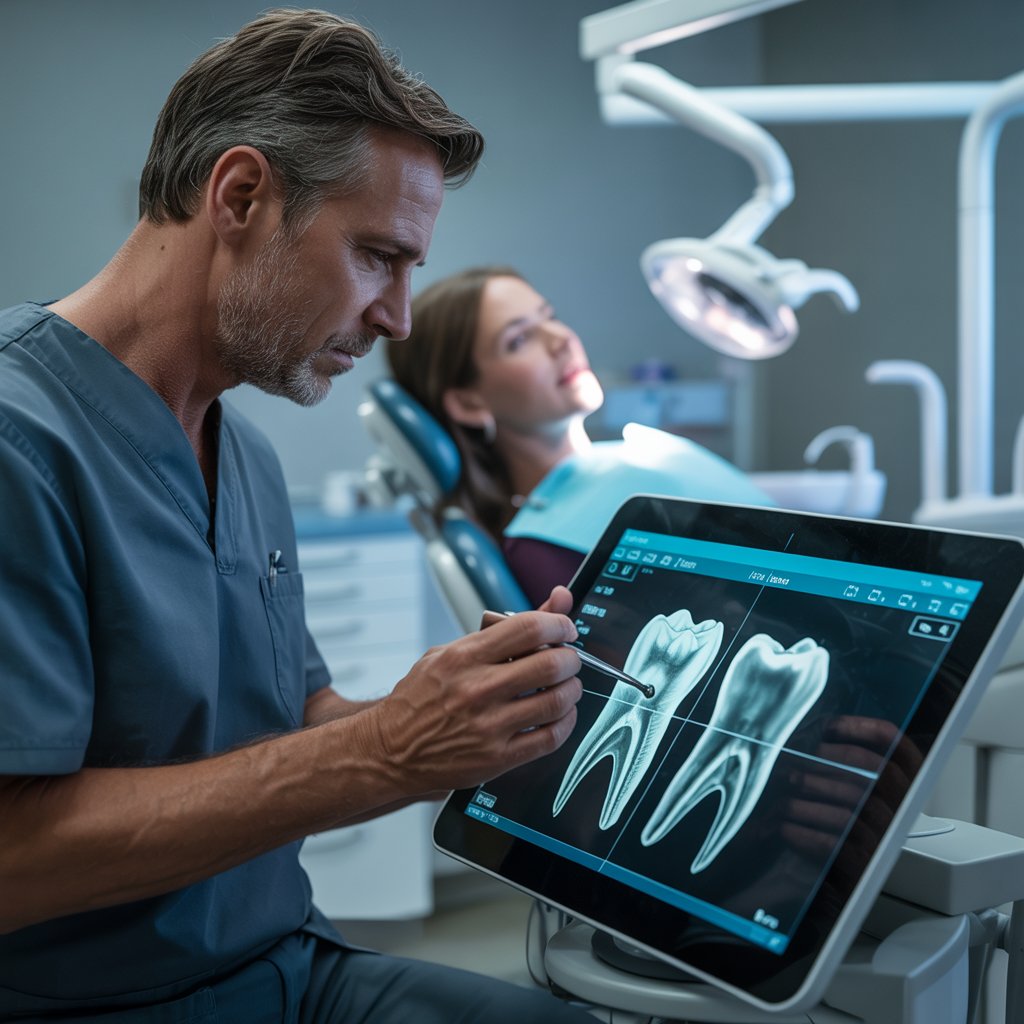
People often imagine that a dental emergency visit for a knocked-out tooth is chaotic. In practice, a good emergency team moves with urgency but not panic. The first steps are usually an exam, a review of how long the tooth was out of the mouth, how it was stored, and whether there are other injuries to the lips, jaw, or surrounding teeth. Dental X-rays are commonly taken to confirm the position of the tooth, check the socket, and rule out root fractures or bone injury.
If the tooth has not yet been replanted, the dentist may clean the socket, assess the tooth, and place it back into position. A flexible splint is often used to stabilize the tooth by attaching it to neighboring teeth for a short period, commonly around two weeks, though timing can vary depending on the nature of the injury. Splinting sounds dramatic, but it is usually a conservative, effective way to support healing.
The dentist also checks the bite carefully. A replanted tooth that hits too early when the patient closes can be painful and unstable. Small adjustments make a big difference in comfort. Soft tissue injuries are addressed too. Cuts inside the lips and cheeks are common because the mouth tends to close forcefully at the moment of impact.
One point patients do not always expect is that saving the tooth immediately is only part of the process. A replanted tooth often needs follow-up care, and many mature permanent teeth require root canal treatment after replantation. That does not mean the tooth was not worth saving. It means the injury affected the tooth’s nerve supply, and preserving the tooth in function remains the goal.
The time factor, and what “fast” really means
Dentists talk about time windows because biology matters here. A tooth that stays moist and is replanted quickly has a stronger chance of healing favorably. A tooth that sits dry on a napkin during a two-hour youth baseball game is far less likely to reattach normally. The public often hears a simplified rule, save it within 30 minutes, and while that is a useful benchmark, real cases are messier.
A tooth stored properly in milk and brought in after 45 minutes may still have a reasonable chance. A tooth that dried out for 20 minutes in the Texas heat may be in worse shape. The age of the patient matters. Younger patients can heal differently than adults. The stage of root development matters too. So does the cleanliness of the socket and whether the tooth suffered additional damage during the accident.
That is why an experienced emergency dentist does not make decisions on a single timer alone. They assess the whole picture and explain the trade-offs honestly. Sometimes the message is encouraging. Sometimes it is, “We can try to save it, but I want you prepared for the possibility that the long-term prognosis is guarded.” That kind of judgment is what patients need in a real emergency, not false reassurance.
Common mistakes that reduce the chance of saving the tooth
The biggest error is letting the tooth dry out. That happens more often than people think. Someone wraps it in tissue to “keep it safe,” not realizing that dry storage harms the root surface quickly. Another frequent mistake is scrubbing the root because it looks dirty. From a distance, that feels sensible. In reality, it can strip away viable tissue the dentist wants to preserve.
Parents sometimes delay care because they are unsure whether the tooth is a baby tooth. If there is any doubt, call right away and describe the situation. Age helps but does not answer everything. A child around six or seven may have a mix of baby and permanent teeth. Front permanent incisors commonly erupt around that time. Waiting until morning to “see how it looks” is rarely a good strategy with a knocked-out permanent tooth.
Adults make a different kind of mistake. They downplay the injury because the pain is not severe, especially if adrenaline is high after a fall, a sports collision, or a car accident. A tooth can be completely avulsed, or partly displaced, with pain that is less intense than expected. The level of discomfort does not predict the seriousness of the injury.
Sports injuries, school accidents, and what we see most often
In everyday practice, knocked-out teeth tend to show up in recognizable patterns. Sports are a major source, especially basketball, baseball, softball, soccer, hockey, and skateboarding injuries. Contact does not even have to be extreme. An elbow to the mouth during a rebound or an awkward fall on turf is enough. School and playground incidents are another large category. Running starts, slippery shoes, concrete edges, and crowded spaces create the sort of sudden impacts that lead to dental trauma.
Adults often lose teeth in more mundane ways. A missed stair, a dog leash jerk, a garage mishap, a bike spill on a trail, even a face-first fall during a rushed morning. I have seen serious dental trauma from situations people later describe as “nothing dramatic.” The mouth is vulnerable, and the upper front teeth tend to take the hit.
One practical lesson stands out from years of seeing these cases: mouthguards work. They do not prevent every injury, but they reduce both the frequency and severity of dental trauma. Custom mouthguards generally fit better and interfere less with breathing and speech than store-bought boil-and-bite versions, though even an over-the-counter guard is better than none for many sports. The athletes who wear them consistently are usually the ones whose parents or coaches have already dealt with a dental injury once.
Children need special handling, and parents need clear guidance
When a child is injured, the emotional intensity in the room doubles. The child is frightened, the parent feels guilty or overwhelmed, and everyone wants a quick answer. The first question is whether the knocked-out tooth is a baby tooth or a permanent tooth. As a rule, permanent front teeth usually come in around ages six to eight. Younger children may still have baby teeth in that area, but mixed dentition is common, which is why age alone can mislead.
A baby tooth generally should not be replanted at home. The safer move is to control bleeding, keep the child calm, and contact a dentist immediately for instructions and an exam. The dentist needs to confirm what tooth was lost, inspect Emergency dentist Plano, TX for damage to nearby teeth, and make sure fragments are not lodged in the lip or gum. Children often fall with enough force to push one tooth inward while knocking another loose, so the visible injury is not always the only one.
The conversation also changes depending on the child’s ability to cooperate. A calm teenager may tolerate a quick replantation attempt and splinting very well. A frightened six-year-old with facial swelling and a bloody lip may need a gentler pace and more reassurance before treatment can proceed. The best emergency dental teams know how to manage both the injury and the human side of the moment.
Aftercare often determines the final outcome
A tooth can be replanted beautifully and still fail later if aftercare is neglected. The follow-up phase matters. Patients are commonly advised to eat a soft diet for a period of time, avoid biting directly into hard foods with the injured teeth, and keep the area as clean as possible without disturbing the splint. Rinsing gently and brushing carefully are part of the routine. Dentists may recommend antimicrobial rinses in some cases, depending on the specifics.
A typical aftercare plan includes a few core instructions:
- Eat soft foods and avoid chewing on the injured area.
- Keep the mouth clean with gentle brushing and rinsing.
- Do not play with the tooth or splint using fingers or tongue.
- Return for scheduled follow-up visits and X-rays.
- Report increased looseness, swelling, or fever promptly.
Those return visits are not just formalities. The dentist monitors healing, pulp vitality in adjacent teeth, root changes, infection risk, and the stability of the splint. Sometimes the tooth does well for weeks, then develops signs that change the treatment plan. Trauma cases require observation over time.
What if the tooth cannot be saved?
This is the part many patients are afraid to ask about. Even with excellent first aid and prompt treatment, not every knocked-out tooth survives long term. The reasons vary. The root may have dried too long. The impact may have crushed the socket. The tooth may later develop resorption, infection, or loss of support. When that happens, the next step is not guesswork. It is treatment planning.
For adults, a dental implant is often the most durable replacement option once healing conditions allow. That said, timing matters. If the area needs bone preservation or grafting, the process may happen in stages. A bridge is another possibility, especially if adjacent teeth already need crowns, but it involves preparing neighboring teeth. A removable option may serve as a temporary or budget-conscious solution in some cases.
For younger patients whose jaws are still developing, implants are usually delayed until growth is complete. That creates a different planning challenge. A dentist may use temporary solutions to maintain appearance and space while monitoring growth. This is where experience really shows. The “best” treatment is not simply the newest or most expensive. It is the one that fits the patient’s age, oral health, timeline, and long-term goals.
How to choose the right emergency dentist in Plano when time is tight
During an emergency, most people are not comparison shopping in a calm frame of mind. They are searching fast, often from a parking lot, school nurse’s office, or urgent care waiting room. The practical question is whether the office can see the patient immediately, manage dental trauma competently, and communicate clearly under pressure.
A strong emergency dentist Plano, TX office should be prepared to triage by phone, give precise first-aid instructions, and make room for same-day trauma care. This is not a moment for vague scheduling language. It is also helpful if the office routinely handles family dentistry, sports injuries, and urgent restorative care, because trauma rarely affects just one tooth in isolation.
Good communication matters as much as technical skill. Families need direct answers to questions like whether to bring the tooth in milk, whether the child should eat first, whether facial cuts need separate medical attention, and whether a hospital visit is necessary if there may be a head injury. Dental emergencies can overlap with medical emergencies, and a responsible dentist says so plainly. If there is loss of consciousness, severe facial swelling, uncontrolled bleeding, suspected jaw fracture, or signs of concussion, medical evaluation may be needed alongside dental care.
The local reality in Plano, and why preparation helps
Plano is active, family-centered, and full of the kind of daily movement that leads to accidents. Kids play year-round sports. Adults bike, run, and juggle packed schedules. Weekends often mean courts, fields, parks, and errands. Most knocked-out teeth do not happen in a dental chair’s neighborhood. They happen somewhere in transit, which is why simple preparation helps more than people think.
If your household has children in sports, keeping a small dental trauma kit is worth it. That may be as simple as clean gauze, a sealable container, and knowing that cold milk is a better storage medium than a dry tissue. Coaches and school staff benefit from this knowledge too. I have seen situations go markedly better because one calm adult on the scene knew not to scrub the tooth and knew to call right away.
Preparedness also means not waiting until an emergency to know where you would go. If you already have a family dentist, ask whether they handle after-hours trauma or refer to a specific emergency provider. If you do not, identify a reputable emergency dentist in Plano before you need one. People do this for pediatricians, veterinarians, and urgent care. Teeth deserve the same foresight.
A final practical word for the moment it happens
When a tooth gets knocked out, people freeze because the scene looks worse than they expected. Blood in the mouth spreads quickly, lips swell fast, and everyone feels rushed. The most useful response is not a complicated one. Stay calm, find the tooth, hold it by the crown, keep it moist, and seek immediate care. Those actions sound small, but they carry real weight.
Many dental emergencies can wait a few hours. This one usually should not. A permanent tooth that is treated promptly has a fighting chance, and that chance is worth protecting. If you need an emergency dentist Plano, TX for a knocked-out tooth, act fast and let the dental team take it from there.
Vitality Dental
1220 Coit Rd # 106, Plano, TX 75075, United States
+1 972-645-4100
FAQ About Emergency dentist Plano, TX
Will the ER do anything for dental pain?
An emergency department can assess urgent symptoms and provide medical stabilization. Definitive treatment of the tooth usually requires a dentist. Seek emergency medical care for breathing or swallowing difficulty, uncontrolled bleeding, or serious facial injury.
What to do if I have a dental emergency in the middle of the night?
Contact a dentist or after-hours dental service promptly for guidance. If a permanent tooth is knocked out, keep it moist in milk while seeking immediate care. If symptoms suggest a medical emergency, go to an emergency department.
What qualifies as a dental emergency?
A knocked-out permanent tooth, severe or persistent tooth pain, a significant dental injury, or swelling may require urgent dental assessment. Call a dentist to describe the symptoms and determine timing. Uncontrolled bleeding or difficulty breathing or swallowing requires emergency medical care.